Resting high on the Aravallis, Jaigarh has witnessed centuries of history, from the rise of Amer to the legacies of Mirza Raja Jai Singh I and Maharaja Sawai Jai Singh II. Much of its past remains unexplored, partly because it functioned as a military stronghold well into the years after India’s independence. With its untapped stories and powerful potential, Jaigarh continues to be one of the most fascinating forts in Rajasthan.
It was in July 1983 that Jaigarh was officially opened to the public by His Highness Brigadier Maharaja Sawai Bhawani Singh and began its new life as a tourist attraction.
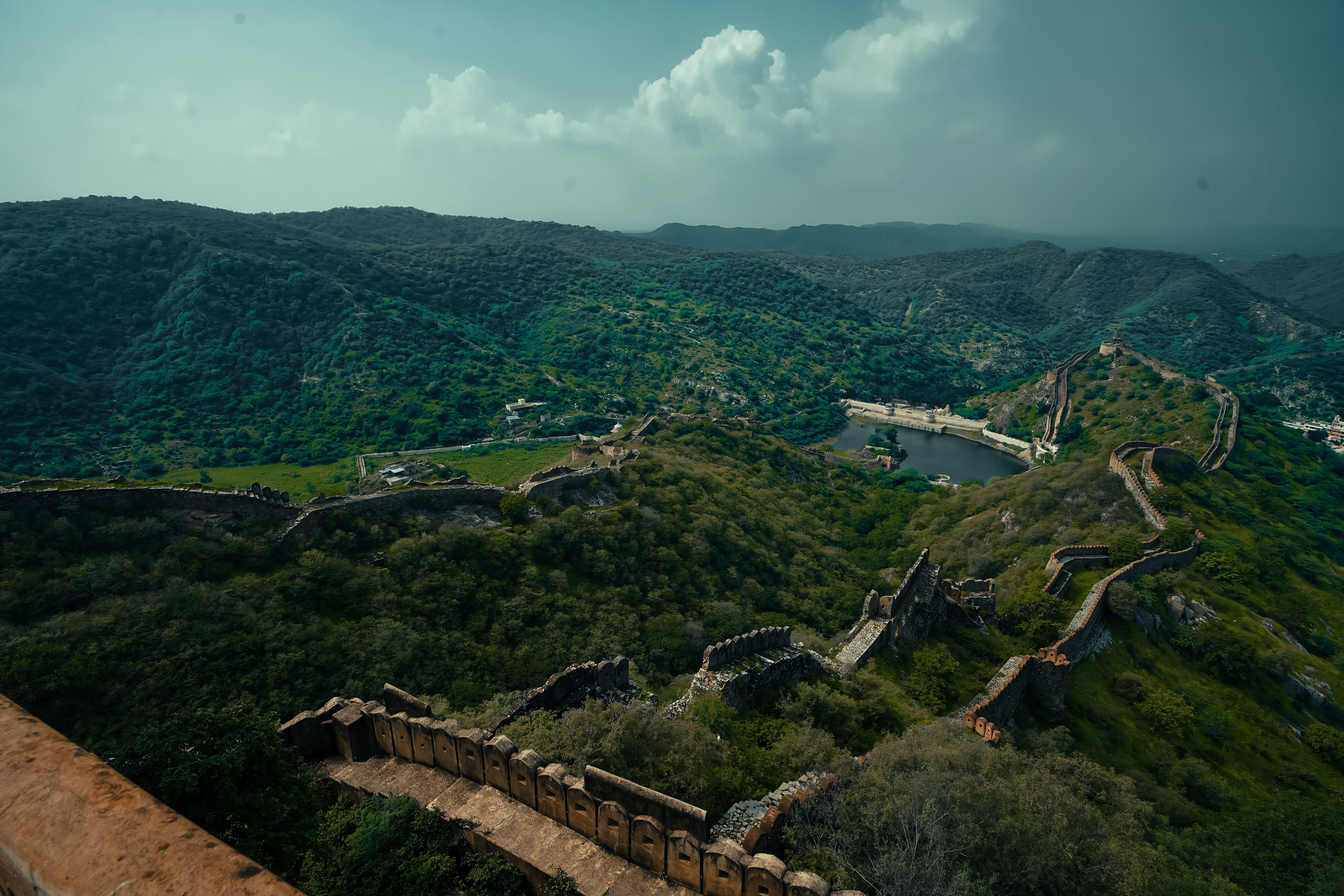
THE OTHER SIDE OF JAIGARH
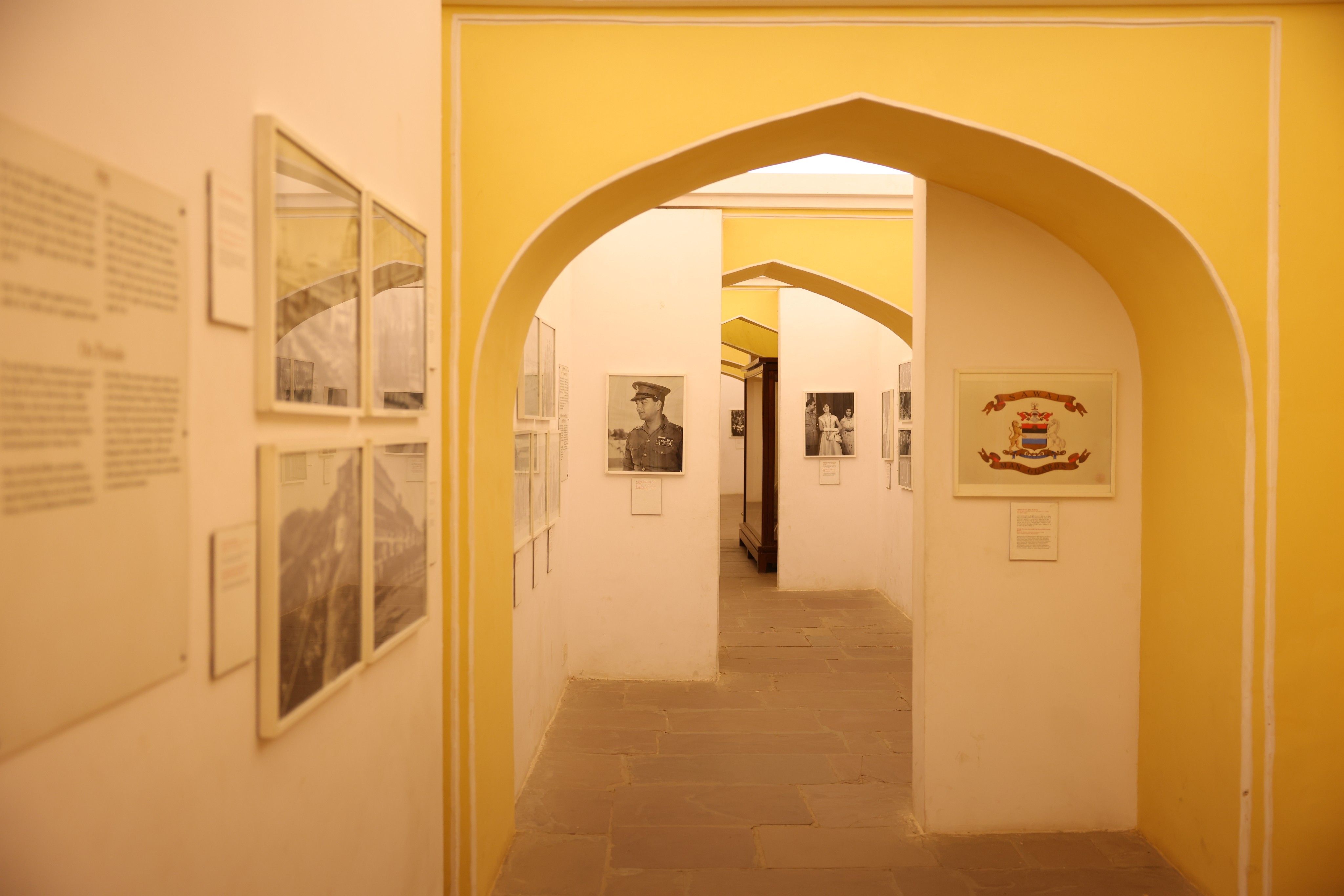
War & Peace Gallery
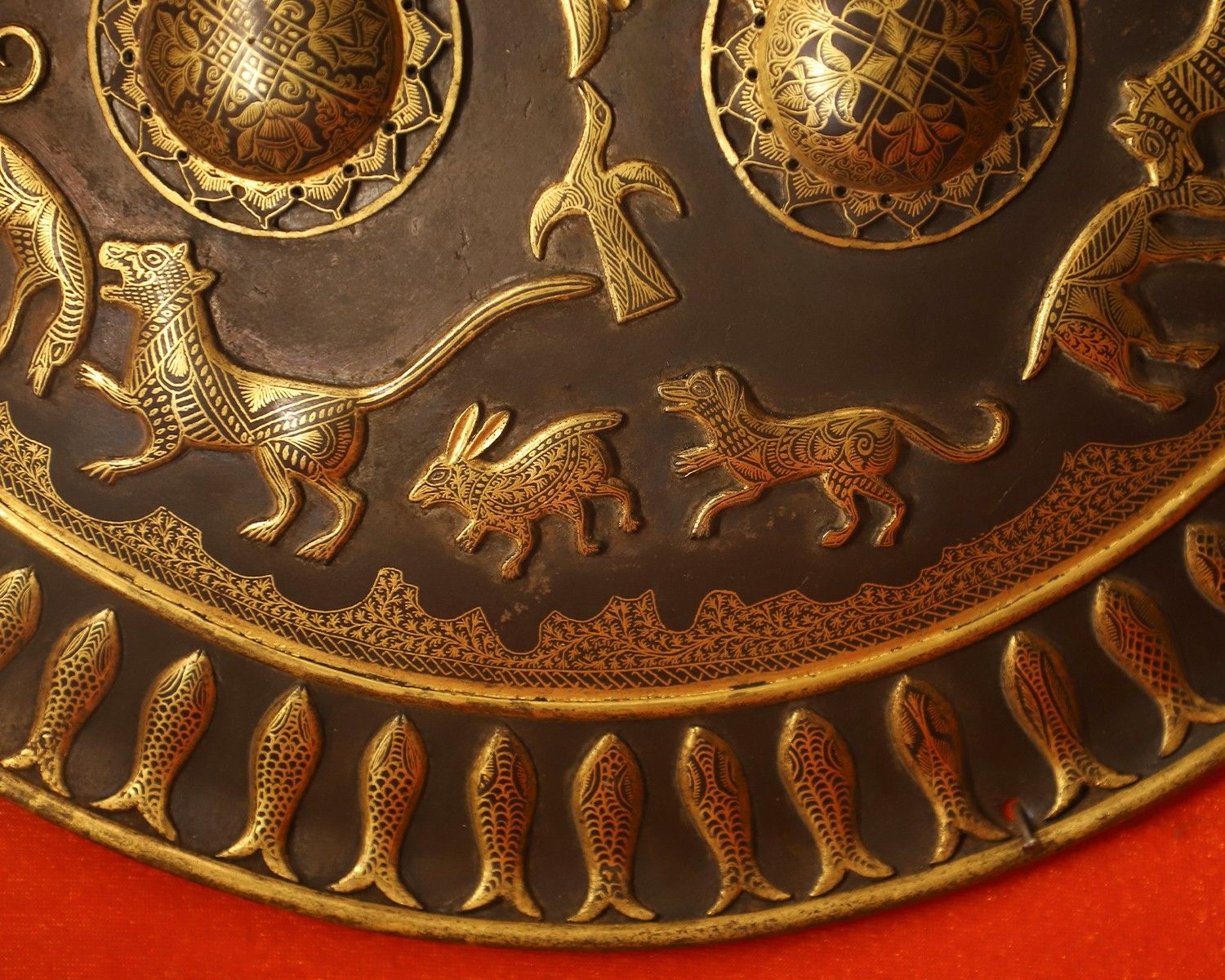
Armoury Gallery
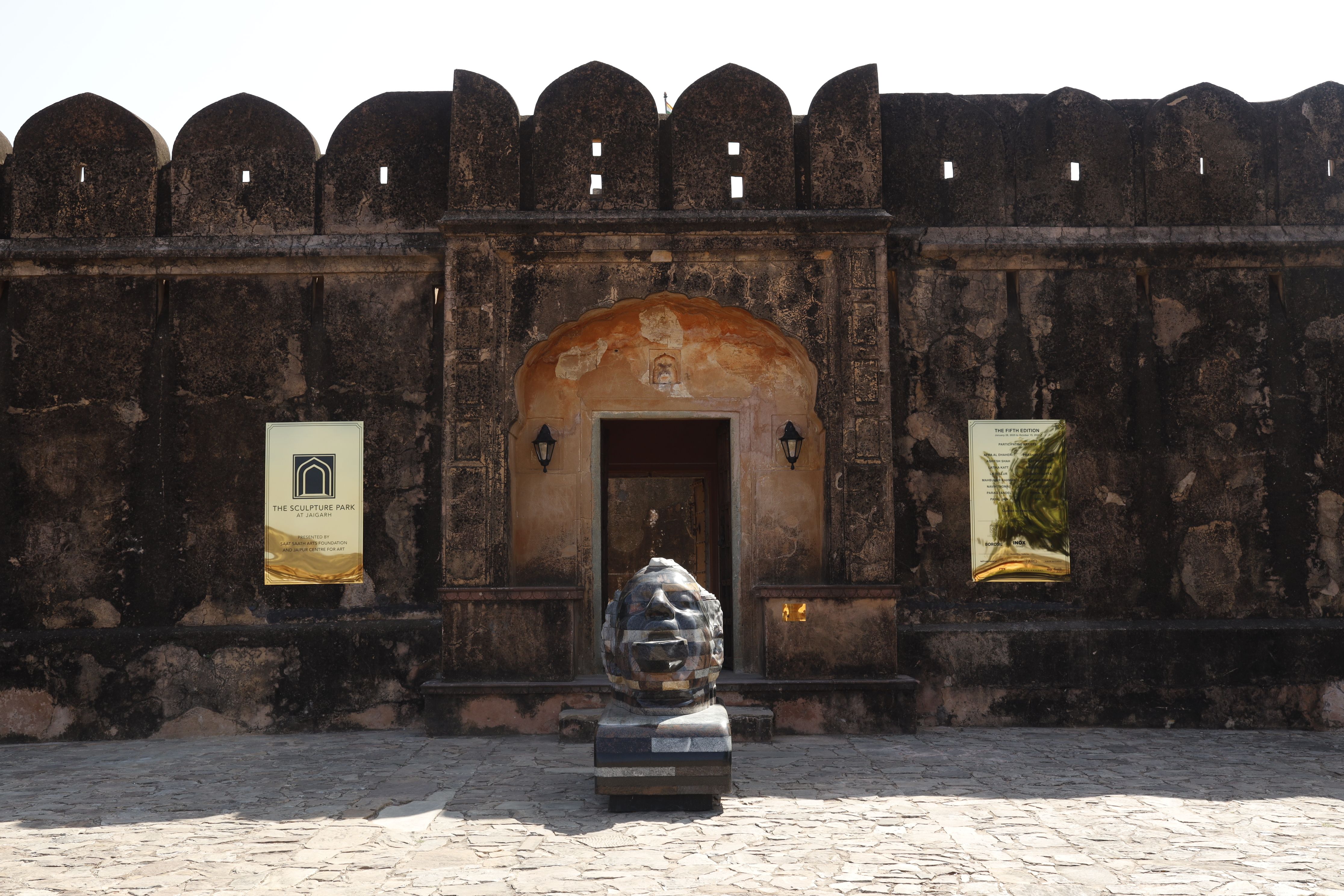
The Sculpture Park at Vijaygarhi
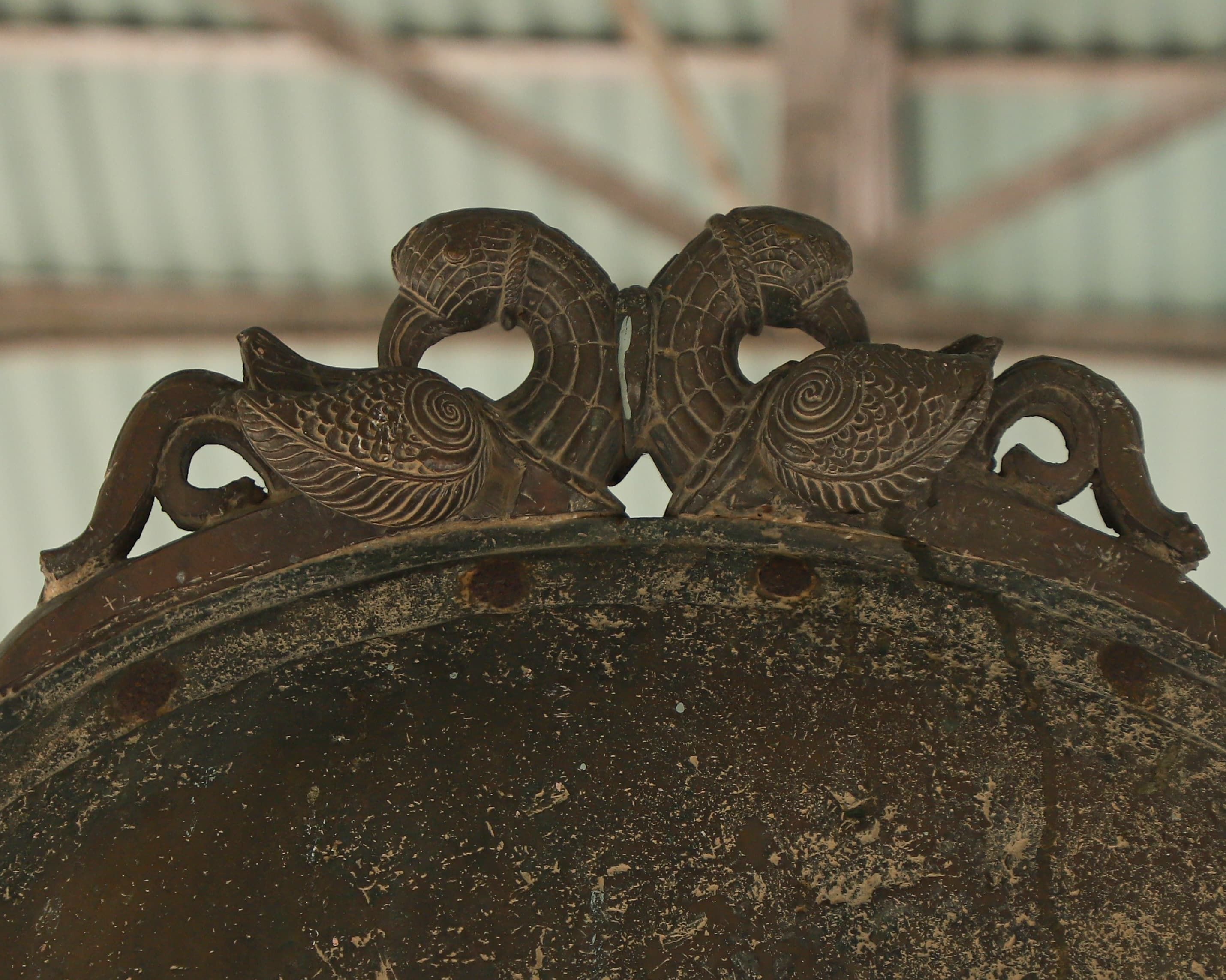
Jaivan Cannon
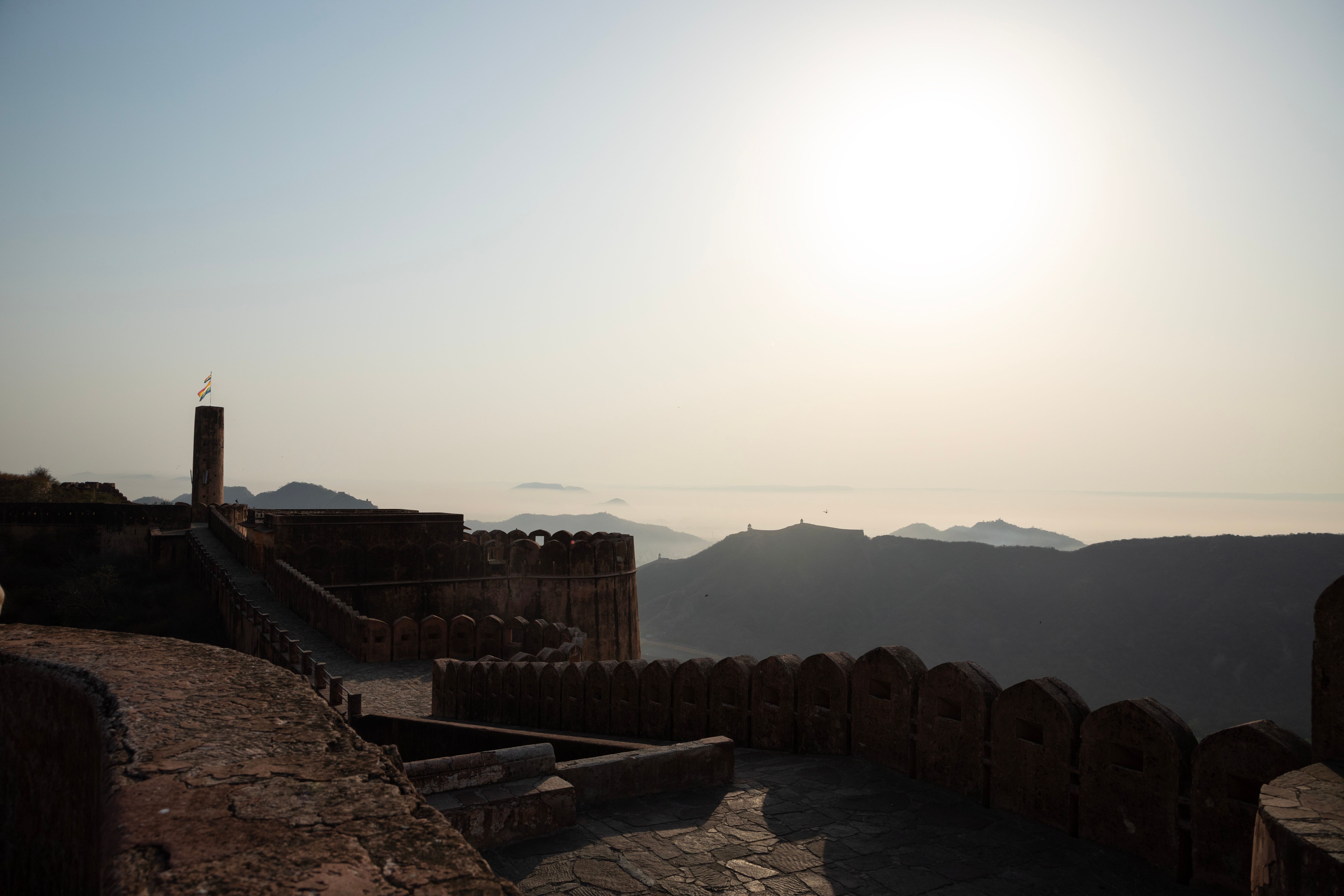
Diya Burj
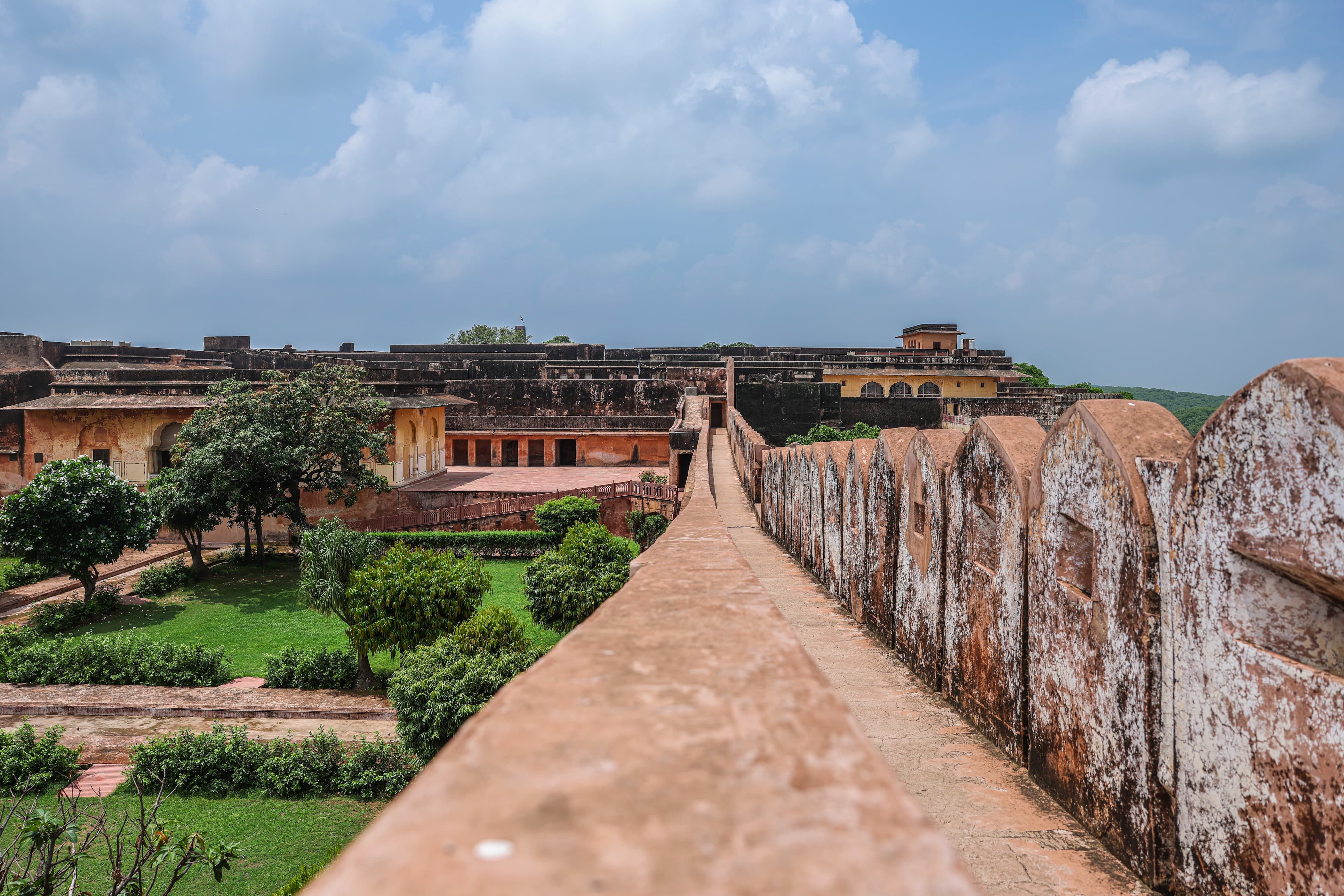
Char Bagh
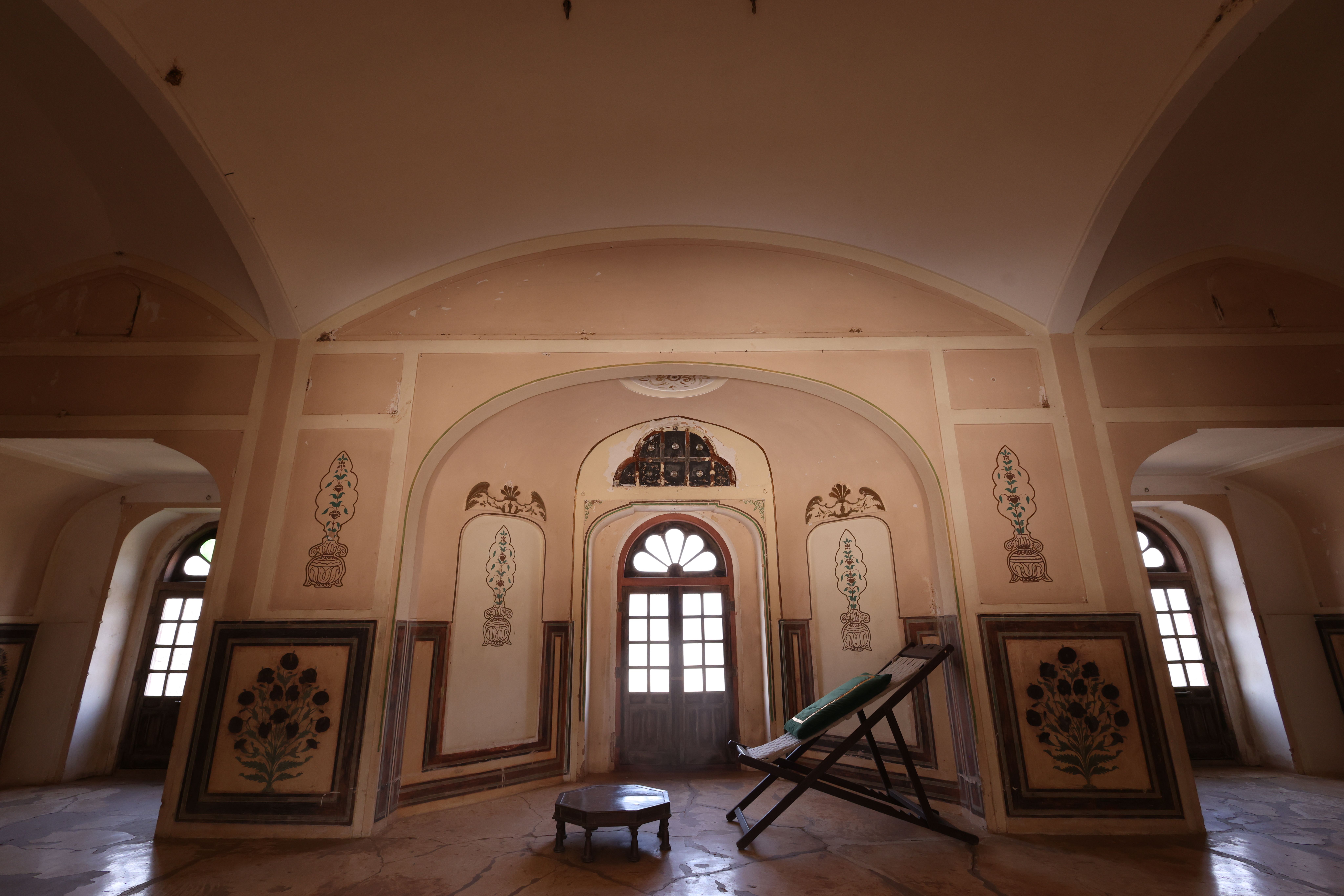
Laxmi Vilas
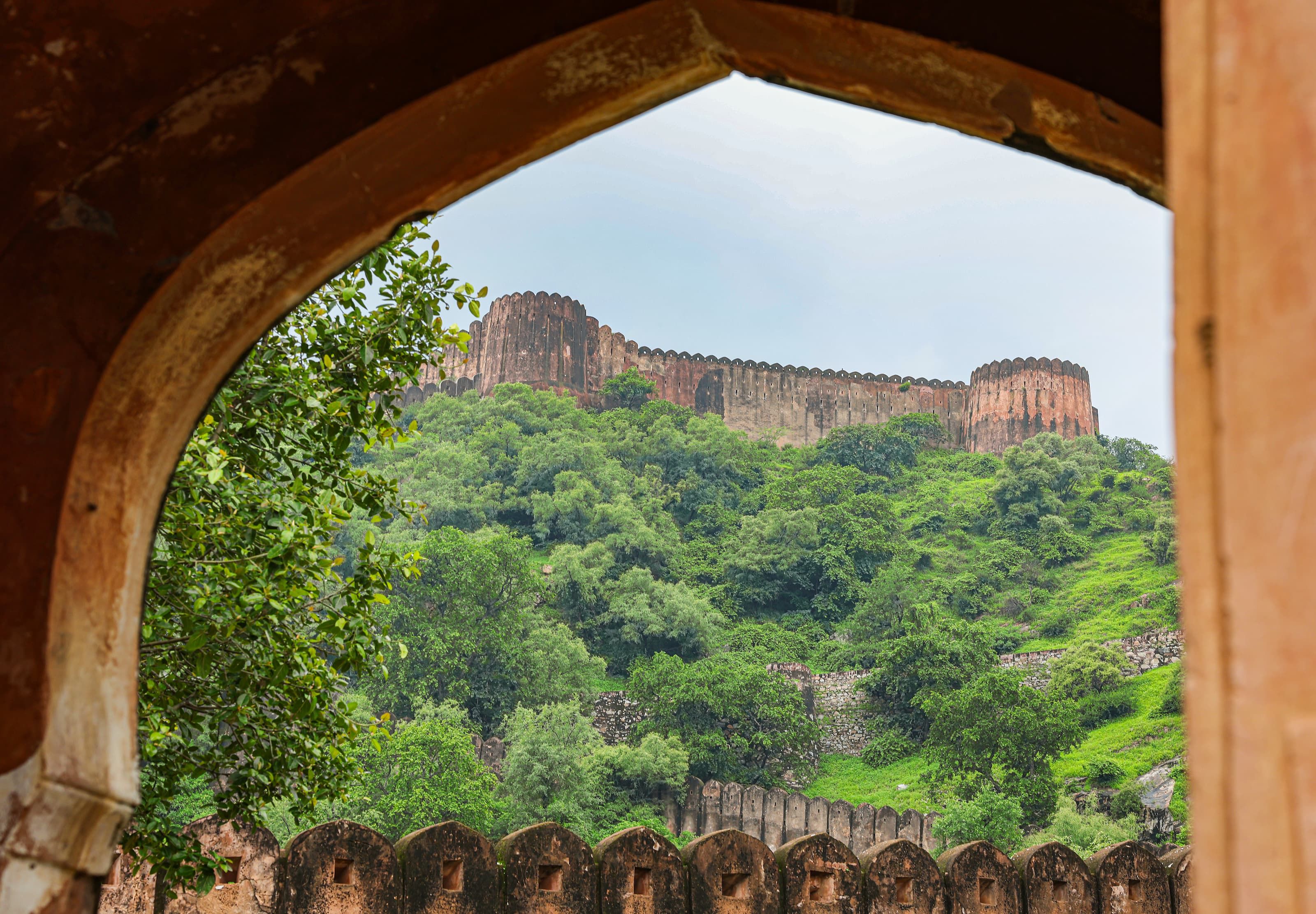
Amer–Jaigarh Route
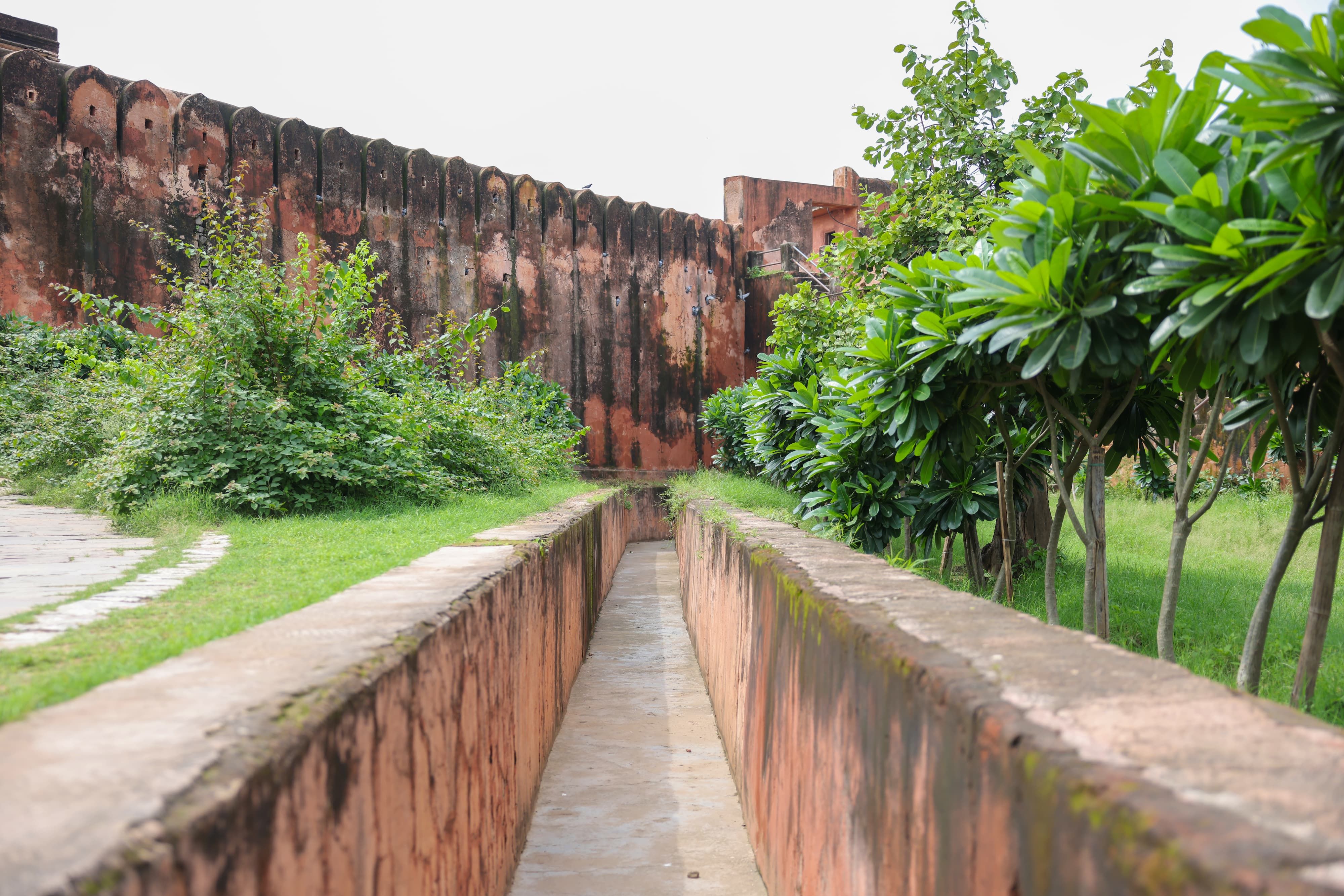
Water Harvesting System
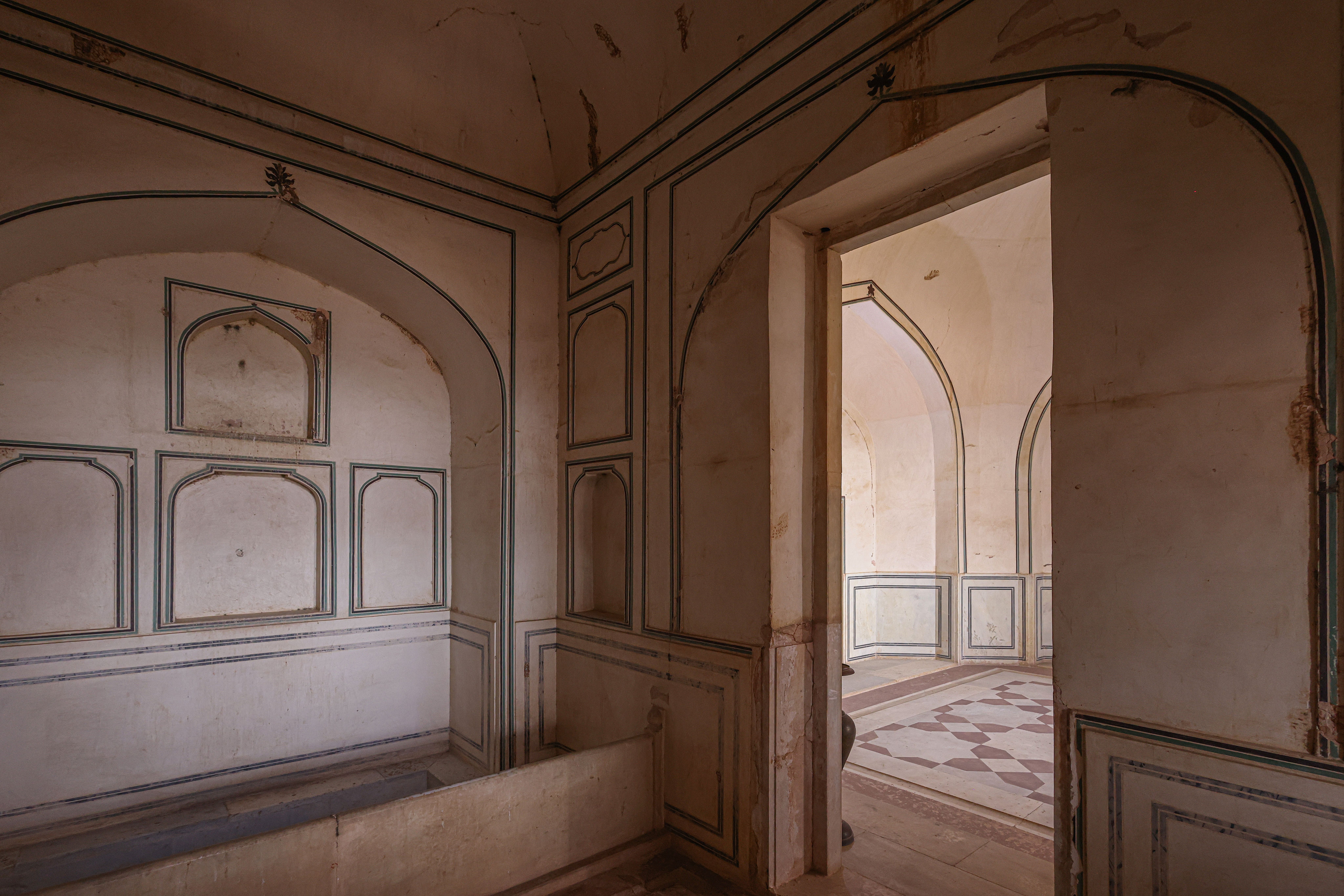
Hammam
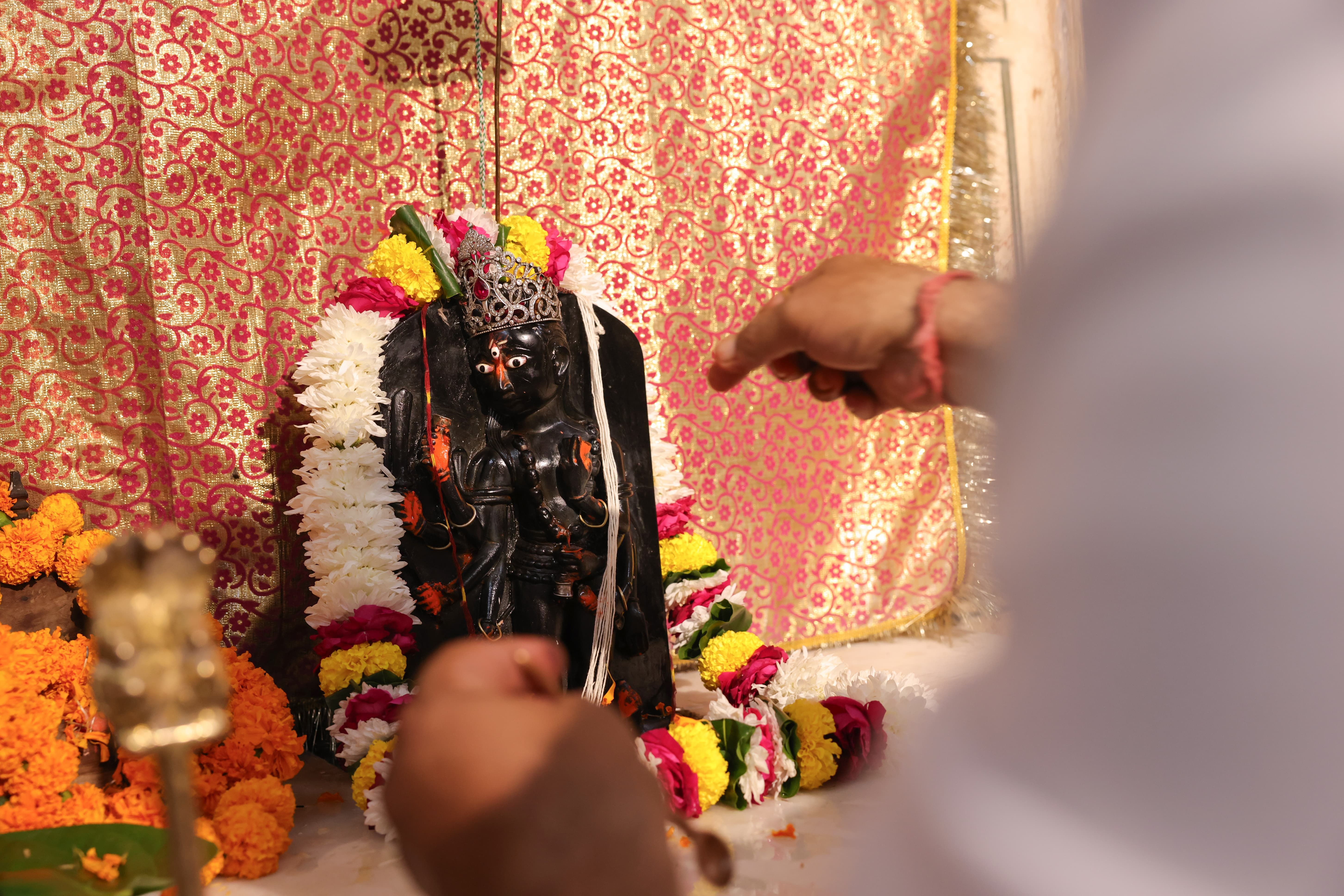
Kal Bhairav Temple
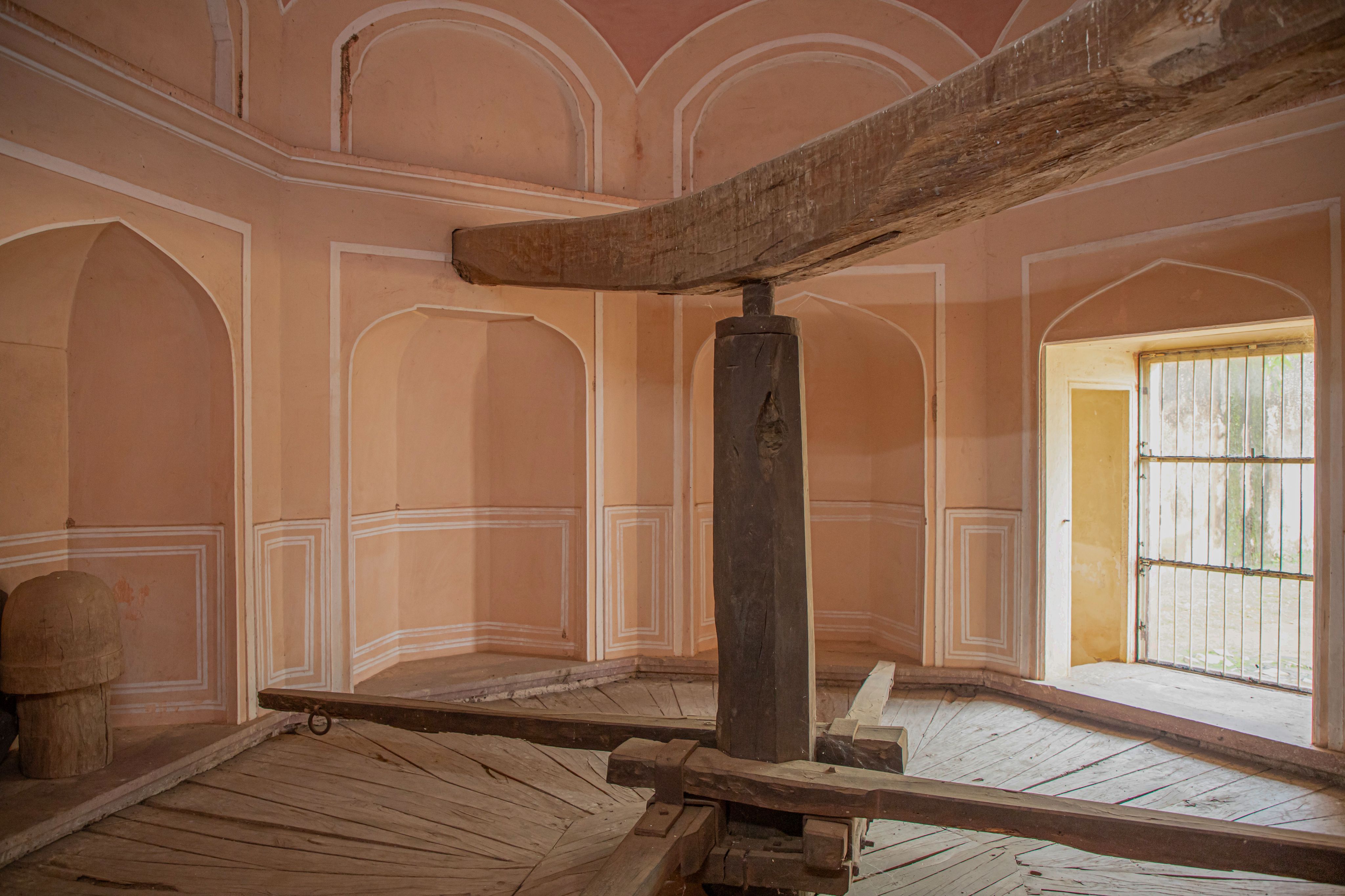
Cannon Foundry
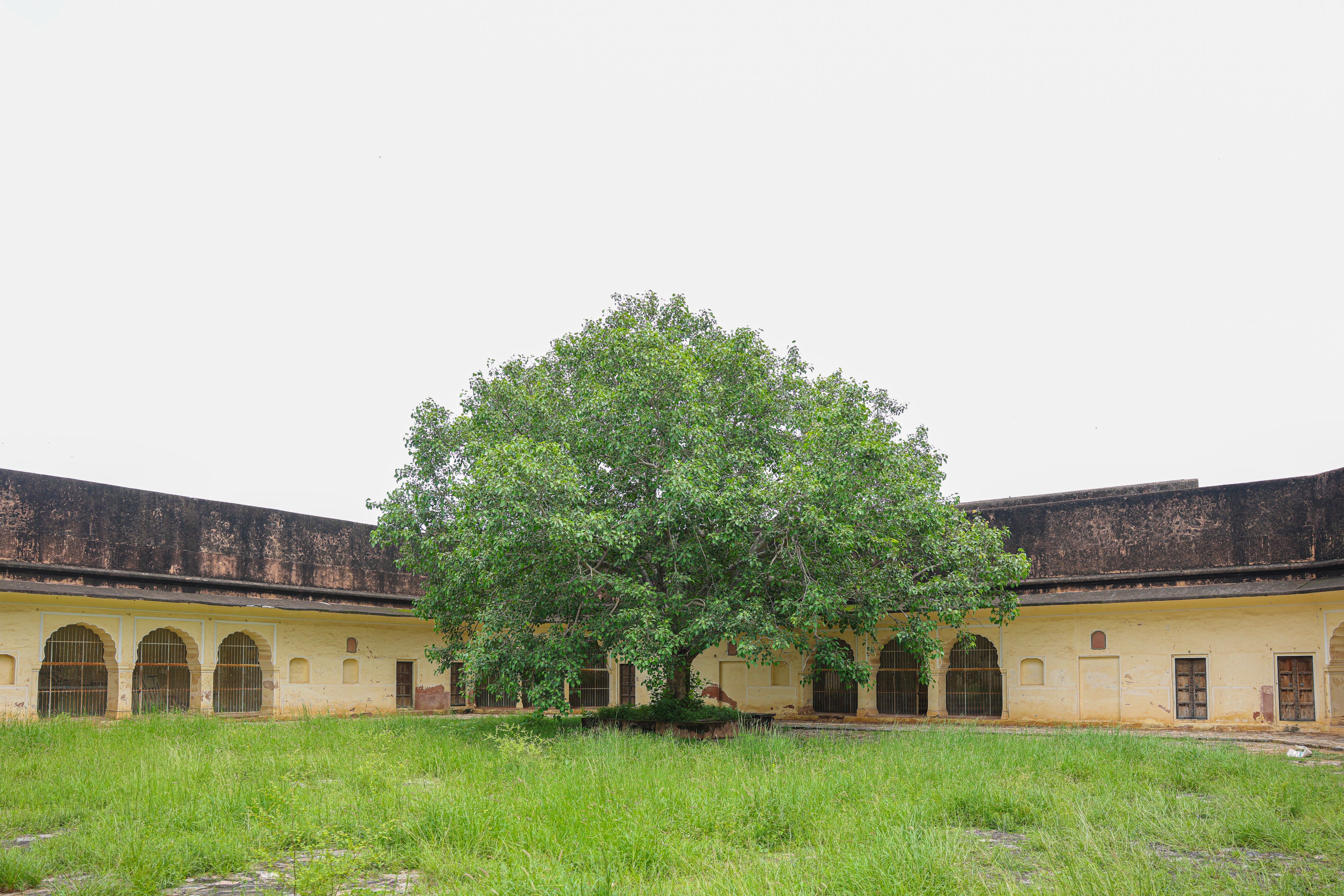
Surya Mandir
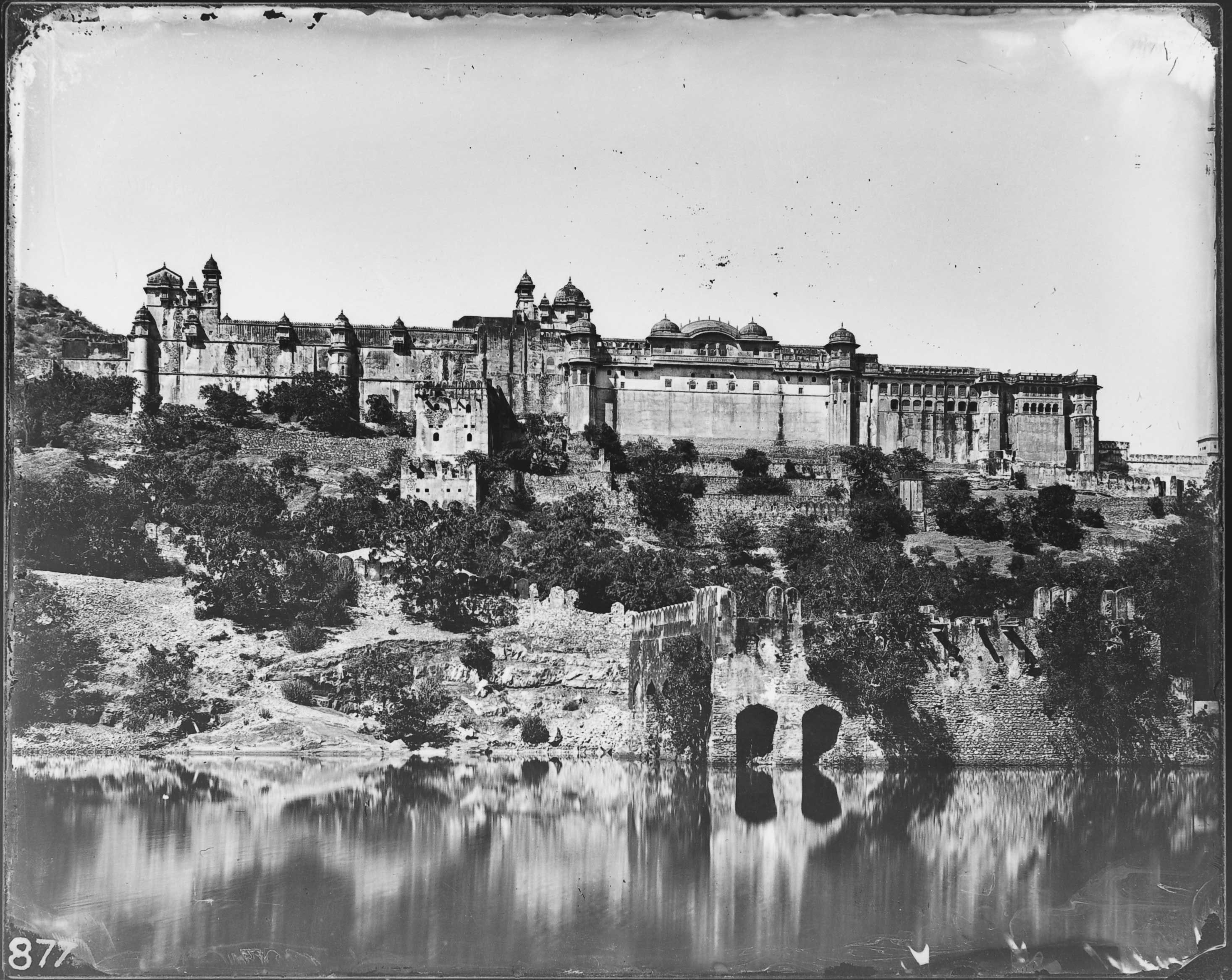
OUR HISTORY
Jaigarh's history is identical to that of Amer, where the Kachhwaha rulers established themselves. While Dulha Rai is regarded as the first Kachhwaha ruler, it was his son, Kakil Dev, who played a more significant role in creating Jaigarh. He recognised the strategic significance of the Amer hills and began constructing a fort there, formerly known as Kakilgarh. This early construction is thought to have served as the foundation for Jaigarh as we know it today.
AMENITIES AND SERVICES
Make the most of your visit by taking a guided tour that will help you better understand Jaigarh's layers. Only guides licensed by the Jaigarh Public Charitable Trust are permitted to conduct tours inside the fort.
VISITING HOURS
Jaigarh is open from 9.00 AM to 6.30 PM, seven days a week.